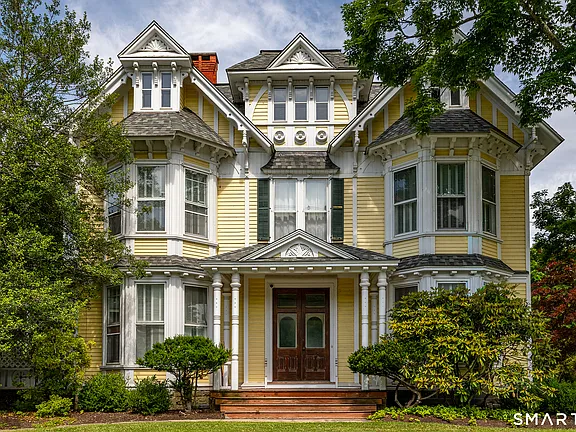
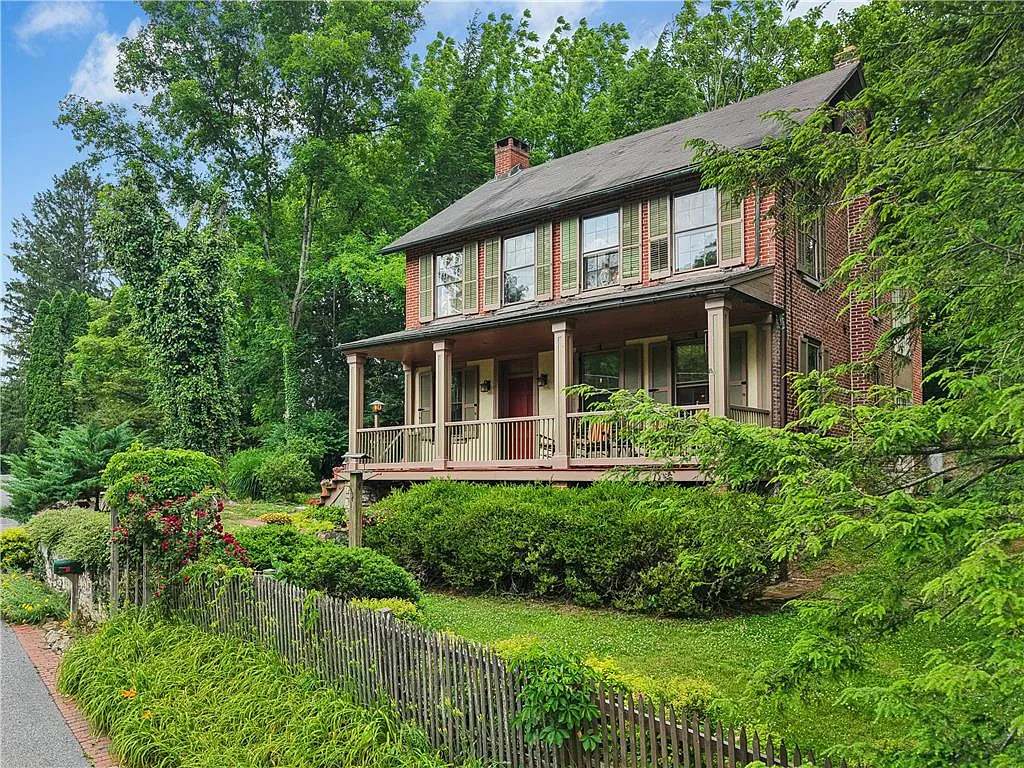
Buying a historic home can mean living with craftsmanship, materials, and a sense of place that newer construction rarely reproduces. It can also mean inheriting repairs, approvals, insurance questions, and building systems that deserve more investigation than a standard showing provides. The goal is not to fear an old house; it is to understand the specific house before price, romance, or urgency narrows your judgment.
This guide gives buyers a practical due-diligence framework. It is educational, not legal, inspection, engineering, insurance, or financial advice. Requirements vary by property and jurisdiction, so use qualified local professionals.
1. Separate “old,” “historic,” and “designated”
An old house is not automatically a legally designated historic property. A house may be individually listed in the National Register of Historic Places, contribute to a National Register district, carry a state designation, sit inside a locally regulated historic district, or be protected by a preservation easement or deed restriction. Those categories can overlap, but they do not create identical rules.
The National Park Service’s National Register FAQ explains that federal listing by itself places no restrictions on what a non-federal owner may do, unless a project involves federal assistance. State or local laws can still regulate changes. A local historic district or preservation easement may require design review even when National Register status alone would not.
Before making an offer, ask:
- Is the parcel individually designated or within a district?
- If it is in a district, is the building contributing or noncontributing?
- Which body reviews exterior work, demolition, additions, windows, roofs, fences, or site changes?
- Is there a recorded preservation easement, covenant, or deed restriction?
- Are there open violations, unapproved alterations, expired permits, or pending applications?
- Would planned work use grants, tax incentives, or federal funding that adds standards?
Verify answers with the local preservation commission, State Historic Preservation Office, planning department, title professional, and recorded documents—not only a marketing description.
2. Build the right inspection team
A general home inspection is important, but experience with older construction matters. Historic houses can behave differently from new buildings: lime mortar handles moisture differently from hard modern cement; balloon framing creates unusual concealed pathways; old-growth wood may remain strong even when a surface looks weathered; and an inappropriate “upgrade” can cause more damage than an aged original material.
Depending on the property, consider a structural engineer, historic-building specialist, electrician, plumber, roofer, chimney professional, HVAC contractor, sewer or septic specialist, well and water-quality expert, arborist, pest specialist, and environmental professional. Ask each person to distinguish immediate safety issues from maintenance, deferred repair, code-triggered upgrades, and optional improvements.
3. Inspect water before finishes
Water is one of the most important forces in an old building. Follow it from the roof to the ground:
- roof covering, flashing, valleys, penetrations, and chimneys;
- gutters, downspouts, and discharge points;
- porch roofs, window sills, cornices, and exterior trim;
- grading, retaining walls, drains, and foundation joints;
- basement or crawl-space staining, efflorescence, odor, and ventilation; and
- bathrooms, kitchens, supply lines, drains, and concealed plumbing routes.
Fresh paint can be ordinary maintenance, but it can also obscure staining or patched plaster. Ask what was repaired, when it was done, and whether photographs, invoices, warranties, or permits exist. Moisture readings and specialist review may be appropriate when evidence is unclear.
4. Understand structure and past alterations
Uneven floors and out-of-square walls are common in old houses, but “common” does not establish whether movement is active, stable, or serious. Look for displaced masonry, cut framing, sagging beams, altered load paths, undersized additions, rotating porch columns, foundation cracks, and doors or windows that suddenly bind.
Map additions and major remodels. A rear wing may use different foundations, framing, wiring, plumbing, or insulation. Removing walls for an open plan can alter the structural system. Request permits and drawings where available and have a qualified professional evaluate concerns instead of relying on a visual guess.
5. Evaluate electrical, plumbing, heating, and cooling
System age is not the only issue; capacity, condition, workmanship, and insurability matter. An electrical review should identify service size, panel condition, grounding, protection devices, visible wiring types, unsafe splices, and the demands of modern appliances. A plumbing review should consider supply material, drain and vent condition, water pressure, fixture leaks, sewer lateral or septic condition, and hidden freeze damage.
Heating may involve boilers, radiators, gravity systems, multiple fuel types, abandoned tanks, or later ductwork forced through the original structure. Check safety, efficiency, remaining service life, distribution balance, and whether additions are properly served. For cooling or insulation plans, consider how air sealing and vapor movement will affect the historic envelope.
6. Investigate environmental and health considerations
Older buildings can contain lead-based paint, asbestos-containing materials, radon, mold, contaminated soil, old fuel tanks, or unsafe water conditions. Their presence, condition, and required response vary; visual appearance alone is often insufficient.
The U.S. Environmental Protection Agency states that the federal lead-disclosure rule applies to most pre-1978 housing and provides buyers an opportunity for a lead inspection or risk assessment. Review all disclosures and available reports, then hire certified professionals when testing is appropriate.
Asbestos is also a specialist matter. The EPA advises that material cannot generally be identified by sight and that sampling can release fibers if done incorrectly. Its home asbestos guidance recommends trained, accredited professionals when damaged material or remodeling creates concern. Do not scrape or collect a sample yourself merely to satisfy curiosity.
7. Price insurance and financing early
Do not wait until the final days of a contingency period to ask whether the property is insurable. Carriers may evaluate roof age, electrical service, plumbing, heating fuel, replacement cost, vacancy, distance from fire protection, prior claims, outbuildings, and designation or restoration requirements. A large historic house can cost more to reproduce than its purchase price because matching masonry, millwork, plaster, windows, or slate requires specialized labor.
Give an insurance professional accurate photographs and reports. Ask whether the policy uses replacement cost, functional replacement cost, actual cash value, or stated limits; how ordinance-and-law coverage works; and whether exclusions or required repairs apply.
Financing can also be affected by condition, appraisal comparables, planned rehabilitation, mixed use, acreage, accessory buildings, or safety issues. Discuss the specific house with a lender before relying on a generic preapproval.
8. Create a realistic repair and maintenance budget
A contractor’s broad verbal estimate is not a preservation plan. Turn the inspection findings into a phased scope:
- Life safety and active damage: fire hazards, structural instability, active leaks, unsafe electrical work, and serious environmental conditions.
- Water management: roof, flashing, gutters, drainage, masonry, and failed exterior details.
- Building systems: electrical, plumbing, heating, cooling, sewer or septic, and ventilation.
- Envelope and durability: windows, doors, siding, masonry, porches, and insulation planned with moisture behavior in mind.
- Finishes and amenities: kitchens, baths, decoration, and discretionary changes.
Obtain estimates from contractors familiar with the materials involved. Include design fees, permits, review costs, testing, temporary protection, access equipment, hazardous-material procedures, and contingency. Specialized trades can have long lead times.
9. Treat original materials as assets
Old windows, plaster, flooring, hardware, masonry, and millwork often contribute much of a house’s character. “Old” does not automatically mean “failed.” Repair can preserve material quality and dimensions that standard replacements do not match. Conversely, preservation is not an excuse to ignore safety or ongoing deterioration.
Ask what problem a proposed replacement solves, whether the existing material can be repaired, how the new assembly handles water and vapor, and whether review approval is required. The National Park Service publishes technical Preservation Briefs covering common work on historic buildings; local conditions and professional evaluation still control the final approach.
10. Research the property’s history without overpaying for a story
A documented history can deepen stewardship, but a romantic anecdote should not replace title, boundary, condition, or market analysis. Search deeds, assessor records, maps, city directories, census records, newspapers, building permits, survey files, nomination forms, photographs, and local archives. Track each claim back to its source and preserve citations for the next owner.
Be careful with precise construction dates copied across listings. An assessor date may be approximate, and a famous former owner may have occupied the house without building it. Our American Historic House Styles guide can help organize physical clues, but documentary evidence remains essential.
11. Evaluate daily life, not only architecture
Spend time considering the ordinary experience of the house. Test water pressure, noise, natural light, stair geometry, storage, parking, internet service, heating zones, accessibility, and travel during different conditions. Review flood, wildfire, coastal, storm, and other location-specific risks with authoritative maps and qualified advisers.
Large acreage, mature trees, stone walls, private roads, long drives, wells, septic systems, and outbuildings each add inspection and maintenance needs. A beautiful property can be the right choice while still demanding an honest annual operating plan.
12. Use a document-based offer strategy
Discuss contingencies and deadlines with your licensed agent and attorney where applicable. The appropriate structure depends on local law and market conditions, but buyers commonly need enough time to review inspection results, title, insurance, financing, seller disclosures, permits, designation records, septic or sewer information, water tests, surveys, and contractor estimates.
A competitive offer does not have to be an uninformed offer. Decide in advance which findings would require specialist review, negotiation, a revised scope, or withdrawal. Keep agreements and representations in writing.
Historic-home buyer checklist
- Confirm designation, district, easement, and review requirements.
- Review title, survey, boundaries, access, permits, and open violations.
- Hire an inspector with relevant older-building experience.
- Bring in specialists for structural, system, environmental, or site concerns.
- Trace water from roof to foundation and document active damage.
- Check electrical, plumbing, HVAC, sewer or septic, well, chimney, and outbuildings.
- Review lead disclosures and other environmental risks with qualified professionals.
- Obtain insurance and financing feedback early.
- Build a phased budget with a meaningful contingency.
- Verify listing claims, dates, dimensions, and historical stories.
- Understand ongoing maintenance and daily-life needs.
- Keep reports, photographs, permits, invoices, and historical research together.
Final takeaway
The best historic-home purchase joins enthusiasm with disciplined research. Verify legal status, understand the building as a system, inspect with the right expertise, and price both urgent work and long-term stewardship. Then you can decide based on the real house—not only the listing photographs.
Browse current and recent examples in our historic homes for sale archive. Listing details are time-sensitive; always verify them independently and review our Property & Real Estate Disclaimer.