property details
Address – 7311 Jenkins Hill Rd, Edisto Island, SC 29438
Built in – 1810
Beds – 5
Baths – 6
Living Area – 8,235sqft
Lot Size – 300 Acres Lot
Property Type – SingleFamily
Introduction
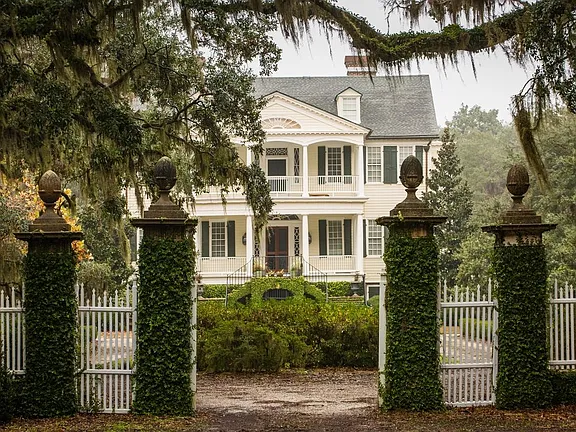
Tucked along Steamboat Creek on South Carolina’s Edisto Island, Seabrook Plantation is a remarkable survivor from the early nineteenth century. The Federal-style house was built around 1810 for William Seabrook and is traditionally attributed to James Hoban in the South Carolina historic register entry, rather than established by a confirmed architectural commission.
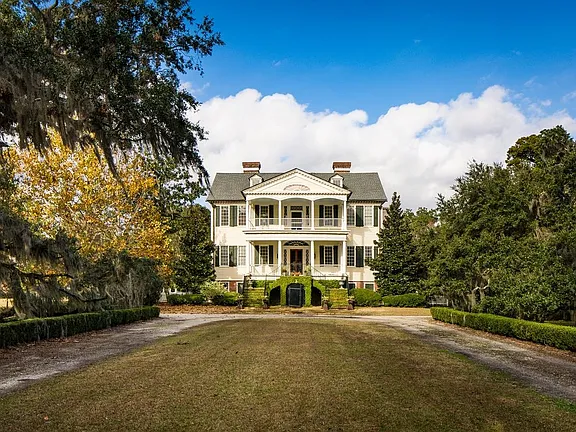
The 8,235-square-foot residence stands on a raised brick basement, with its tall columned portico and sweeping double staircase facing a landscape of old live oaks, open fields and quiet waterways. When the property last sold in 2020, the estate covered approximately 325 acres and included five bedrooms, four full bathrooms, two half baths, guest houses, docks and several historic outbuildings. Today, it remains one of Edisto Island’s most important and recognizable historic homes.
history
Seabrook Plantation was built around 1810 for William Seabrook, a wealthy planter, merchant and part-owner of the Edisto Island ferry. His business interests connected Edisto with Charleston and Savannah, while the plantation itself produced Sea Island cotton, one of the Lowcountry’s most valuable crops. That prosperity depended on enslaved labor, and an 1860 inventory associated with the estate recorded 119 enslaved people. Their lives and work are an essential part of the property’s history.
The house is traditionally attributed to James Hoban, the Irish-born architect who designed the White House. No surviving document has conclusively confirmed the commission, but the association has been repeated in historical records for generations. William Seabrook lived here until his death in 1836, after which his widow, Emma Elizabeth Edings Seabrook, remained at the property until the mid-1850s. It was later purchased by J. Evans Eddings Jr.
The estate entered a very different chapter during the Civil War. Union forces occupied the house around 1862 and used it as a headquarters and provost station. After the war, formerly enslaved people are recorded as having taken temporary shelter there. The property changed hands again in 1875 and passed through several owners during the following decades.
By the early twentieth century, the house needed considerable attention. Donald D. Dodge later acquired and restored it, leading to its alternate name, Dodge Plantation. From the 1930s onward, the surrounding land was largely managed for hunting and recreation. Recognized as an important example of early Lowcountry architecture, the William Seabrook House was added to the National Register of Historic Places in 1971. The estate most recently sold in March 2020 for $4.3 million.
Architecture & Design
Seabrook Plantation is a distinguished example of Federal architecture adapted to the Lowcountry climate. The two-and-a-half-story wooden house stands on a raised brick basement, protecting its main rooms from the damp coastal ground while giving the building its impressive height. A gabled roof with dormer windows keeps the roofline simple and balanced.
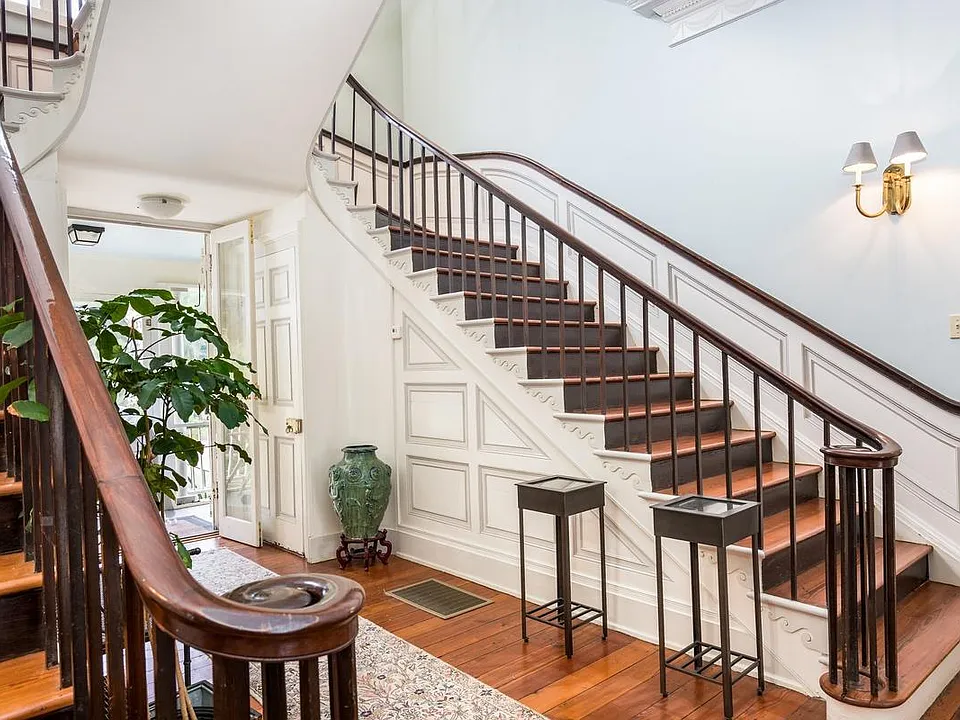
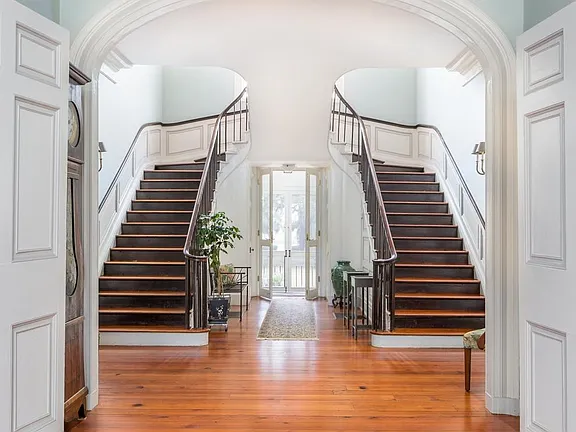
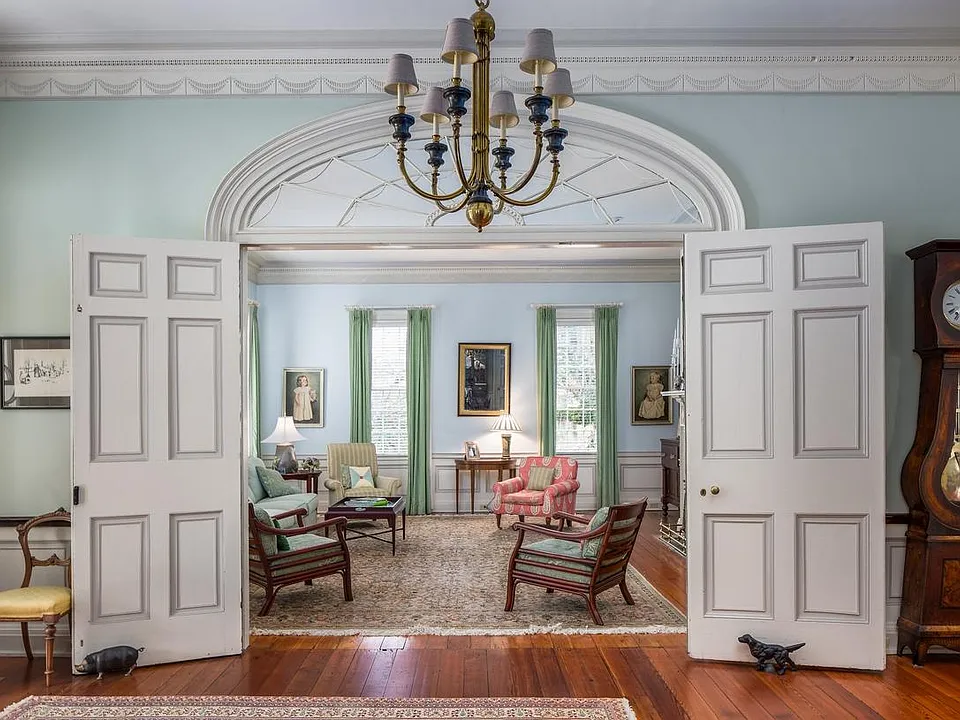
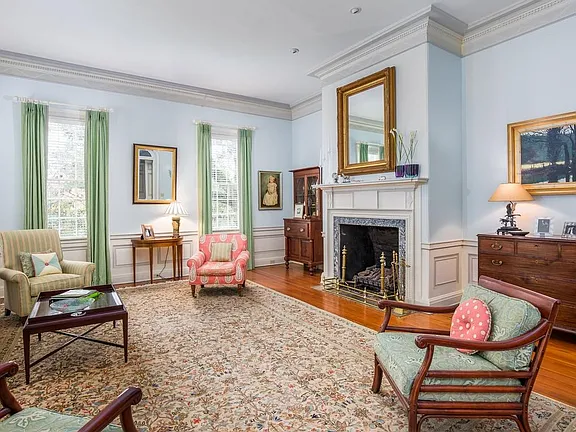
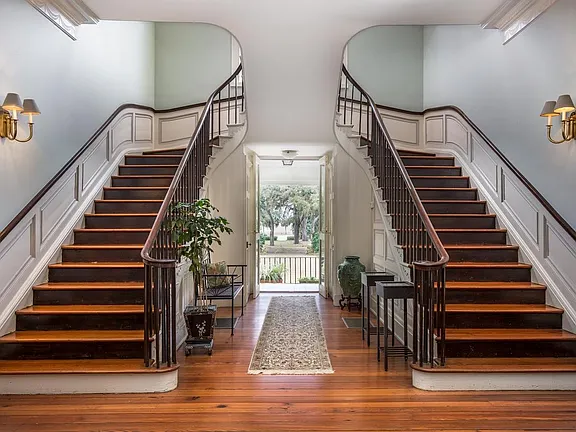
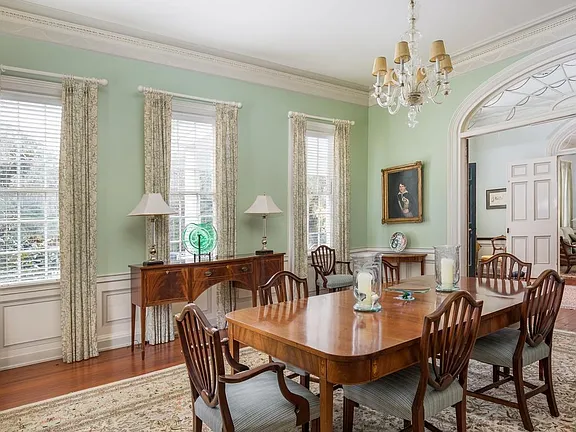
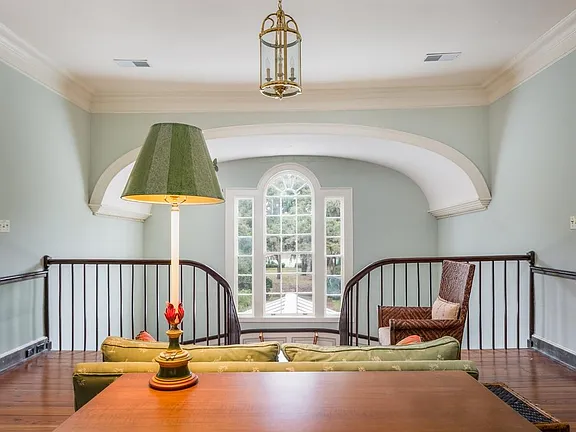
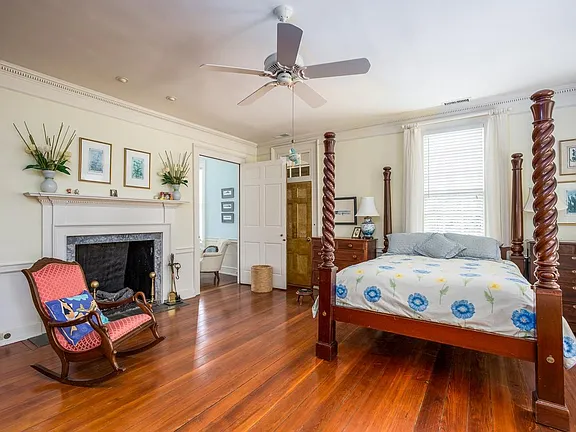
The front of the house is defined by a two-level columned portico and twin staircases that rise gracefully toward the main entrance. A semi-elliptical fanlight, narrow sidelights and rows of nine-over-nine sash windows bring a sense of symmetry to the façade. Inside, the original plan placed four principal rooms around a wide central hall leading from the front entrance to a smaller garden portico. High ceilings, original wood floors, paneled doors, carved fireplace mantels and a pair of interior staircases preserve much of the home’s early nineteenth-century character.
Location & Lifestyle
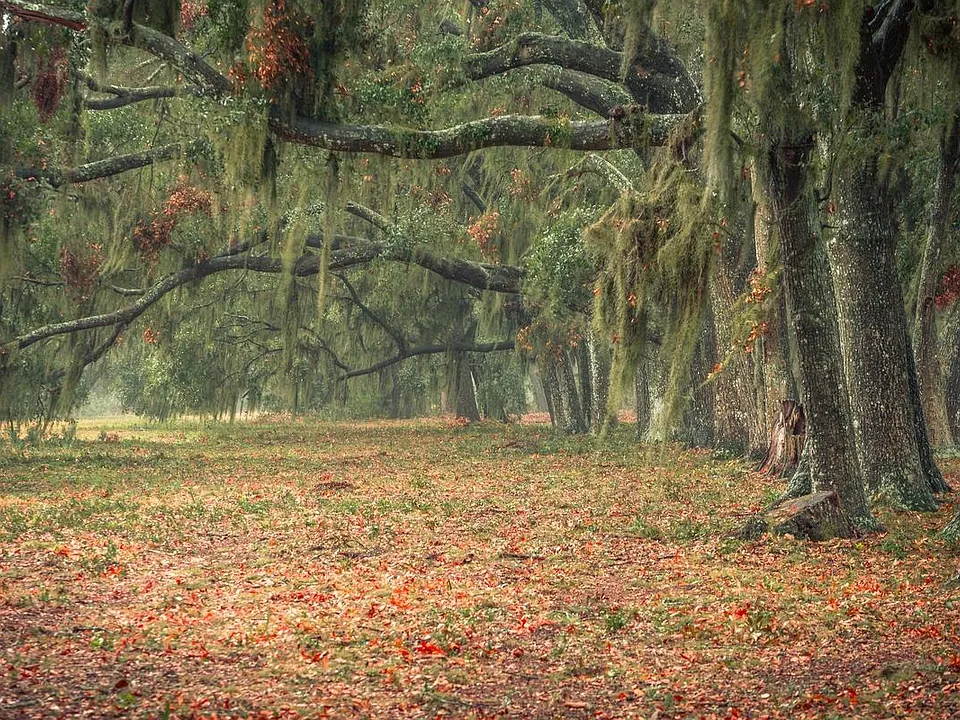
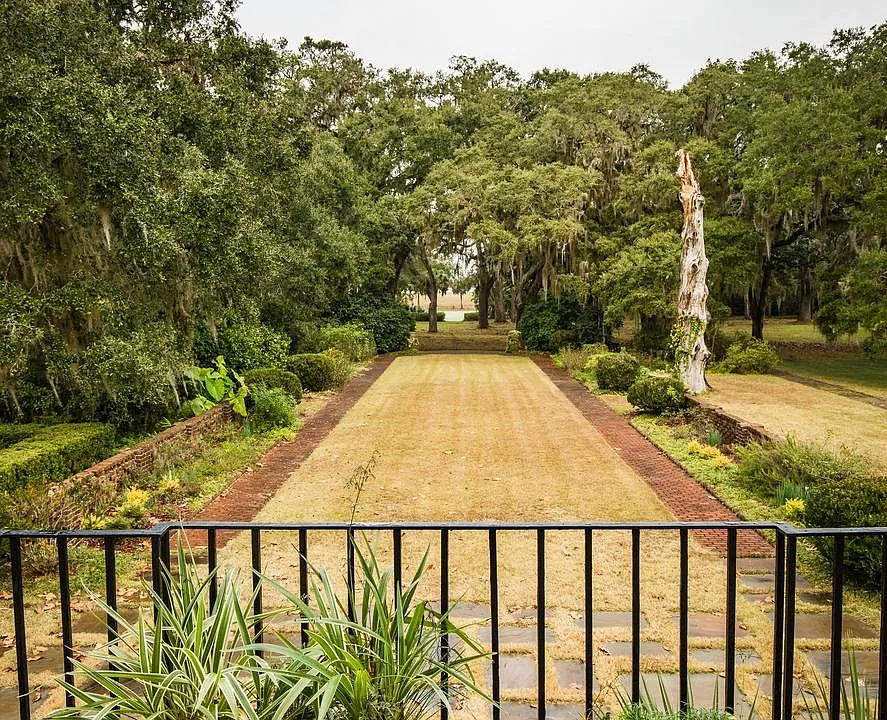
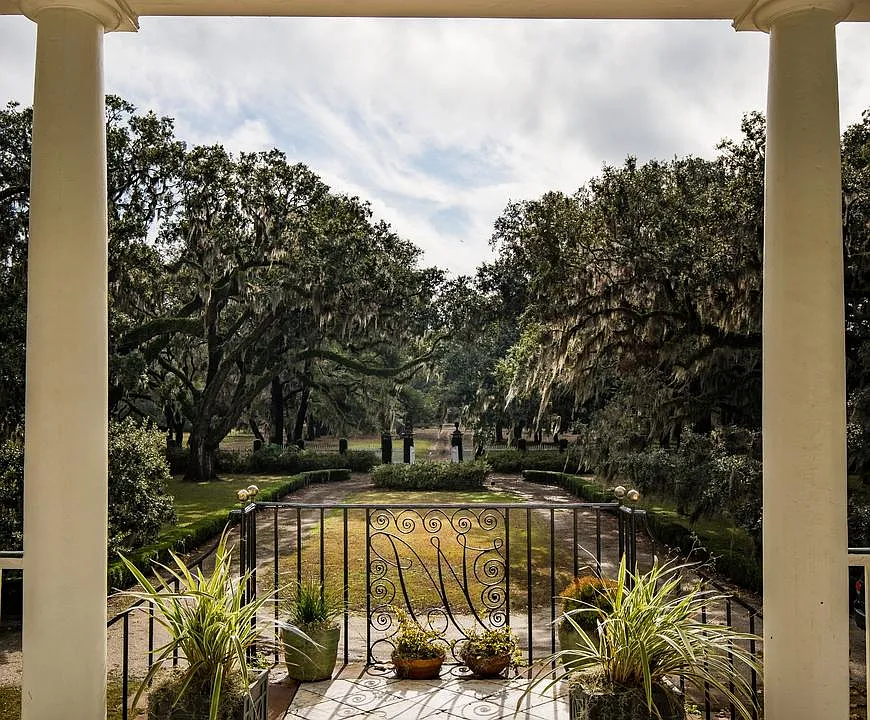
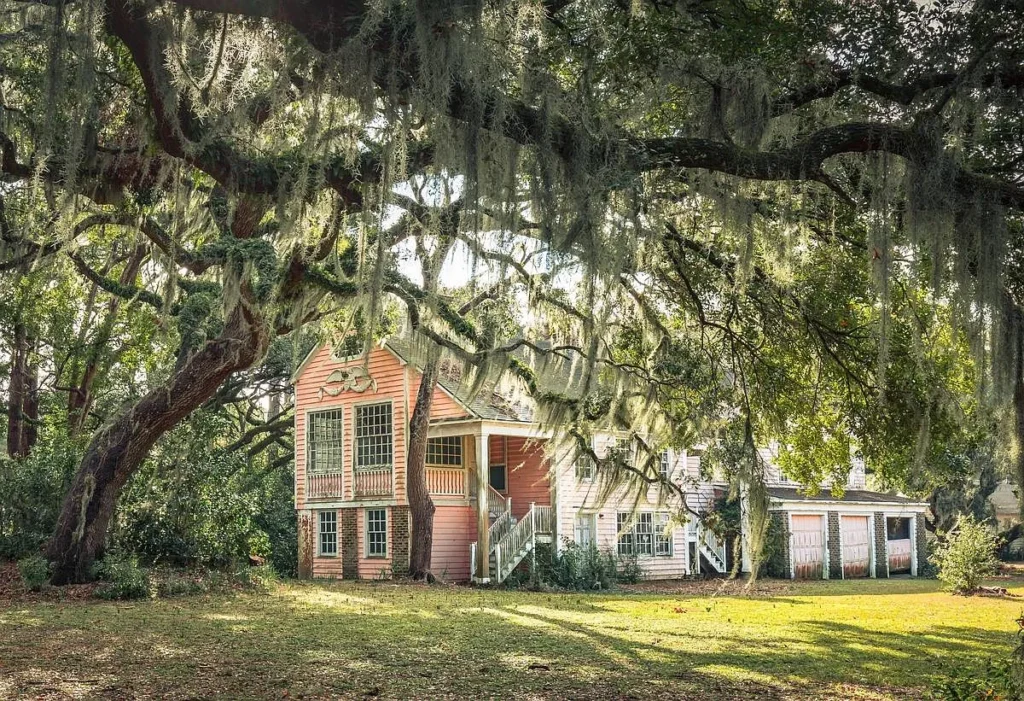
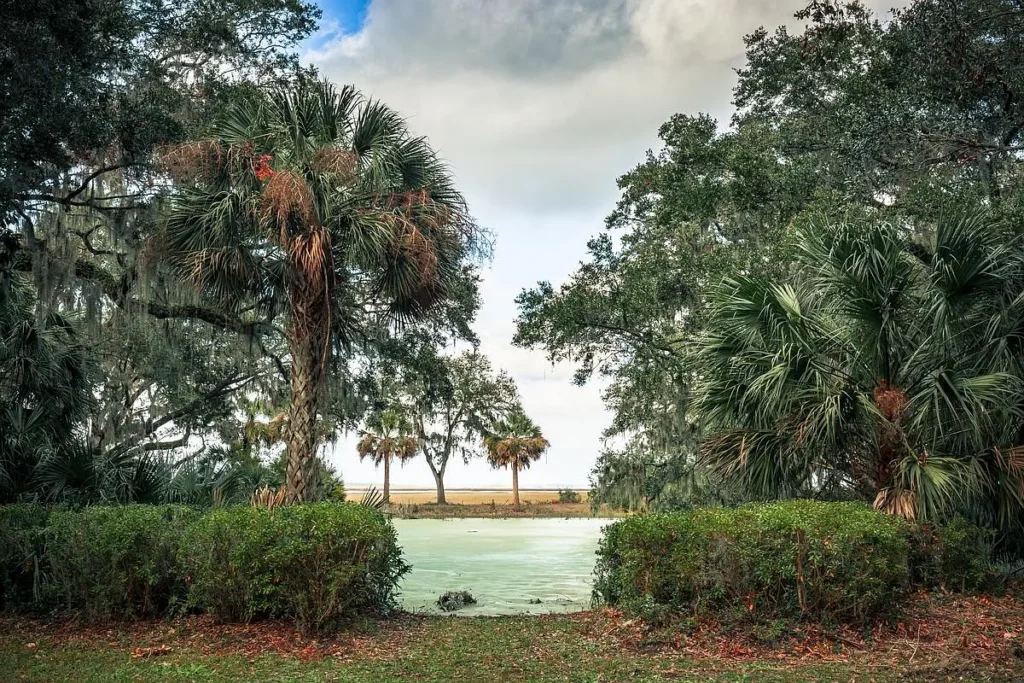
Seabrook Plantation occupies an unusually private stretch of Edisto Island along Steamboat Creek, a tidal waterway connected to the North Edisto River. When the estate was sold in 2020, it included approximately 325 acres of open fields, wooded hunting grounds and Lowcountry marshland. Mature live oaks and Spanish moss surround the house, while broad views across the creek give the property a quiet, almost untouched character.
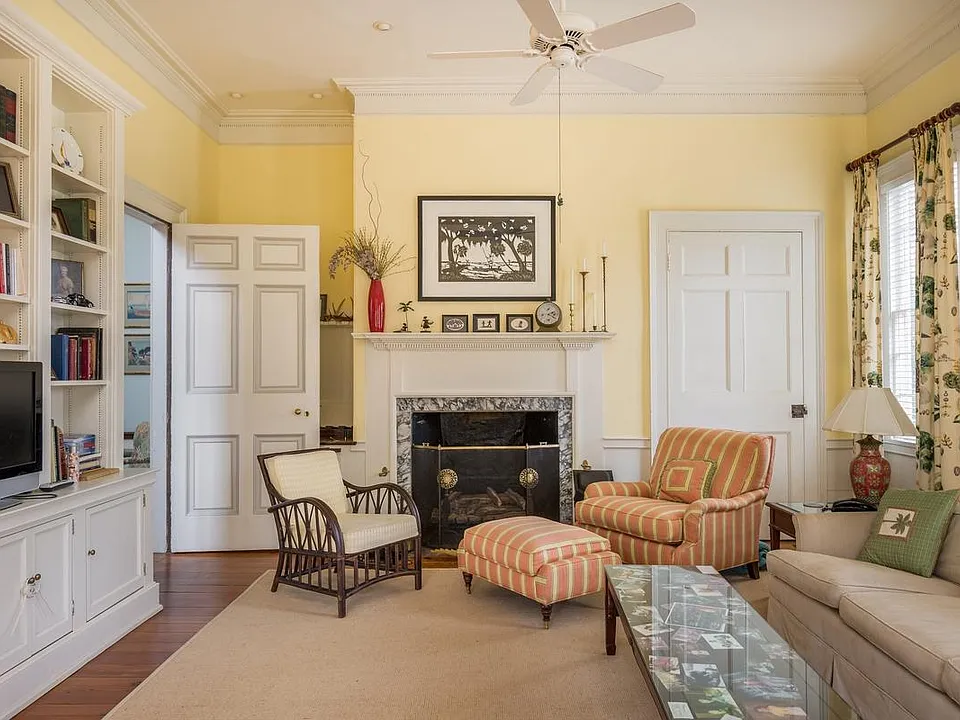
Water has always been central to life here. The creek beside the estate is reported to reach depths of around forty feet, allowing access for larger boats as well as smaller recreational craft. Two docks served the property, and Kiawah and Seabrook islands could be reached by boat without leaving the surrounding waterways. For much of the twentieth century, the land was managed for hunting and outdoor recreation, a tradition well suited to its mixture of woods, fields and tidal landscape.
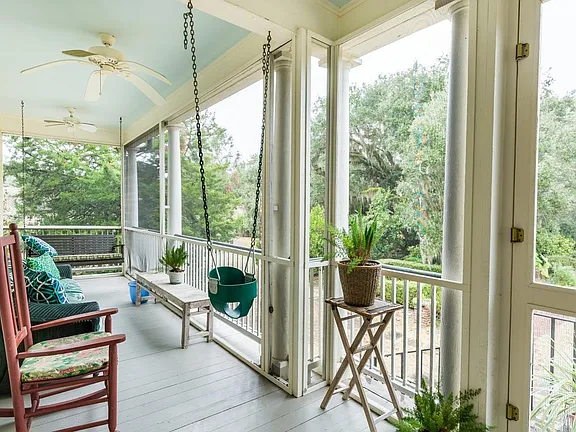
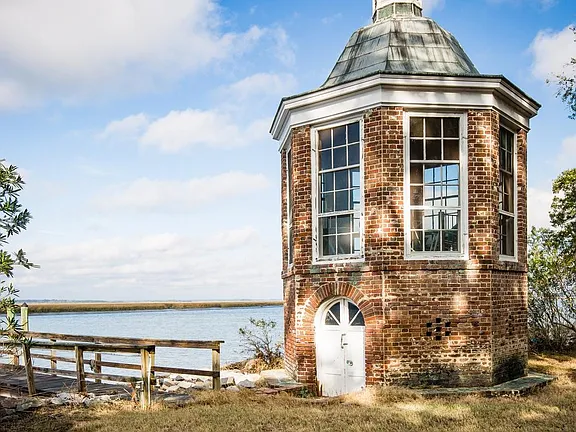
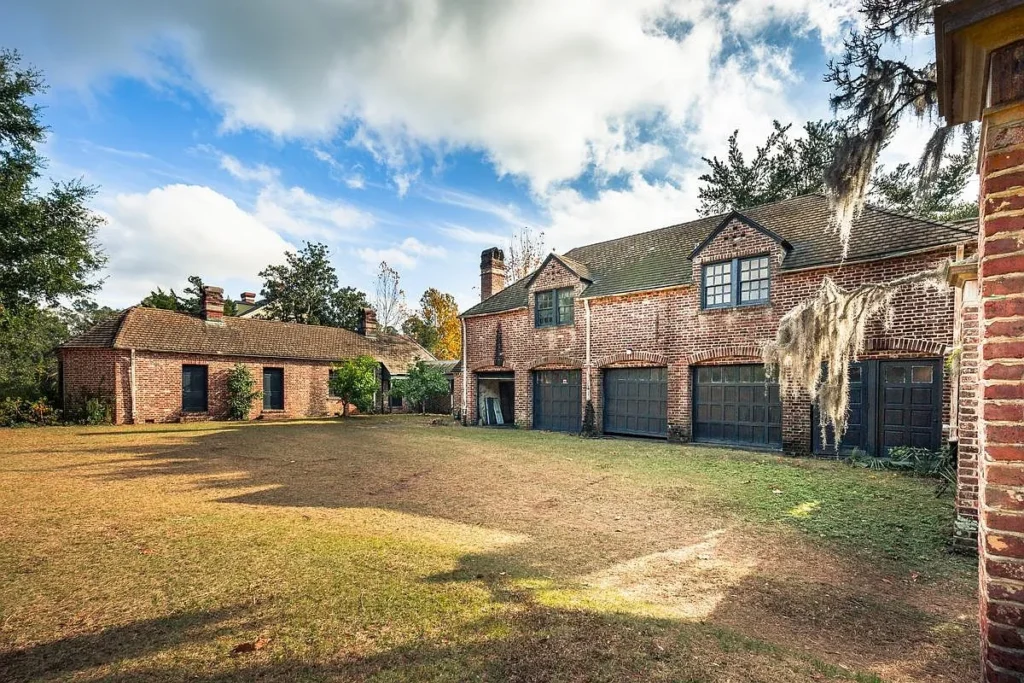
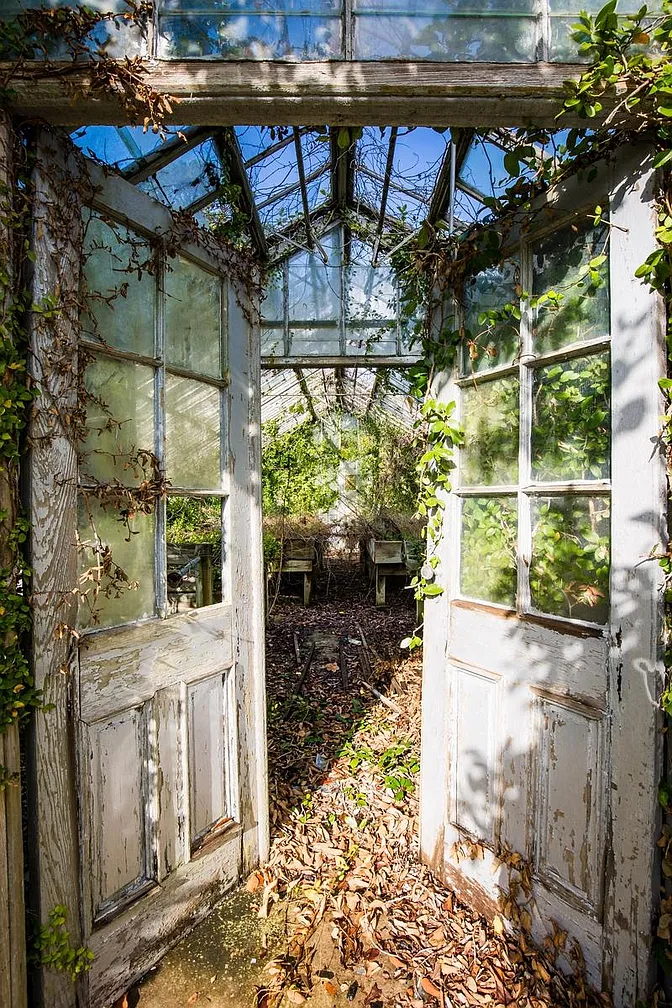
The estate offered far more than the five-bedroom main residence. At the time of its last sale, the grounds also contained two guest houses, a caretaker’s cottage, greenhouses and a small tea house with its own dock. Together, these buildings created the feeling of a private Lowcountry compound rather than a single country home. Conservation easements have also limited how extensively the acreage can be divided, helping protect the open landscape that has surrounded the house for generations.
Editor’s Note
Seabrook Plantation stands out because the house and its historic setting have survived together. Many early Lowcountry residences now sit on only a small portion of their original land, but here the long approach, old live oaks, open fields and water remain part of the experience. The main house still rises above the landscape much as it did in the early nineteenth century, with its columned portico and twin staircases visible through the trees.
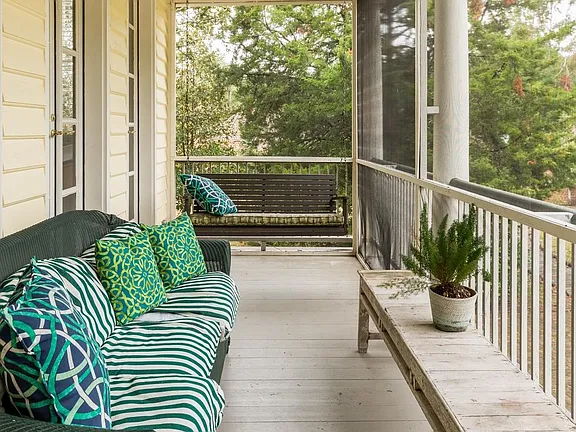
There is also a rare sense of completeness to the estate. The main residence, guest houses, caretaker’s cottage, tea house, greenhouses and docks show how the property developed over time. Some of these secondary buildings needed restoration when the estate was marketed, yet their survival adds depth that a perfectly renovated but isolated mansion could never offer.
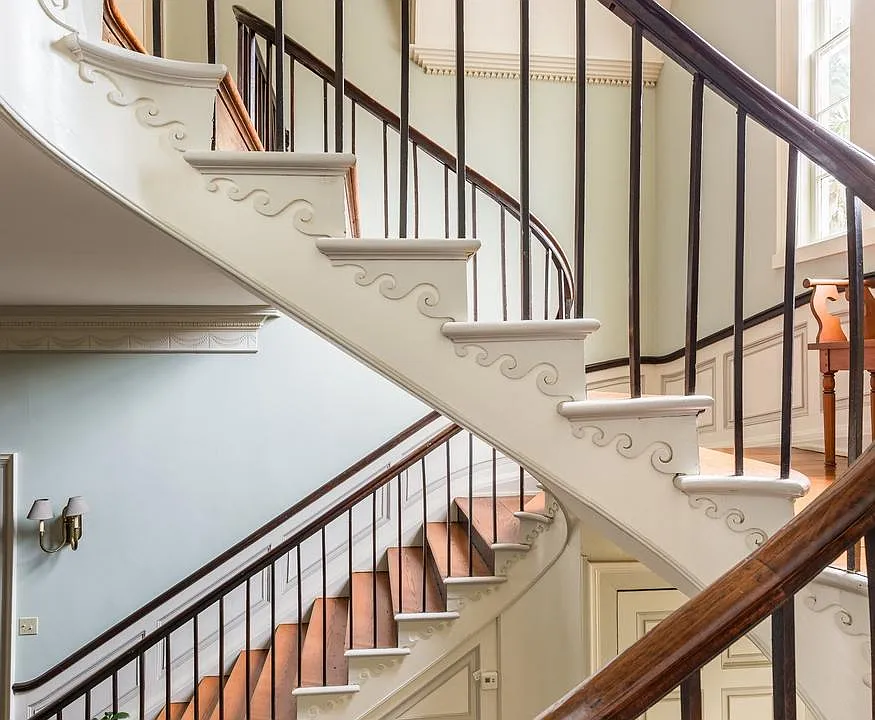
Its beauty, however, is only one part of the story. Seabrook was shaped by the wealth of the Sea Island cotton economy and by the labor of enslaved people. It later served Union forces during the Civil War, sheltered formerly enslaved residents after the conflict and underwent restoration in the twentieth century. That complicated history makes it more than an impressive waterfront estate. Seabrook Plantation is a remarkably intact piece of Edisto Island’s past—beautiful, important and deserving of an honest telling.
Related Homes
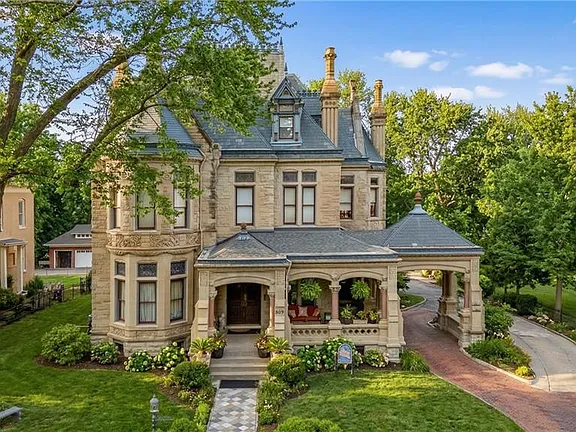
Shakespeare Chateau: An 1885 Gilded Age Landmark on Millionaires’ Row
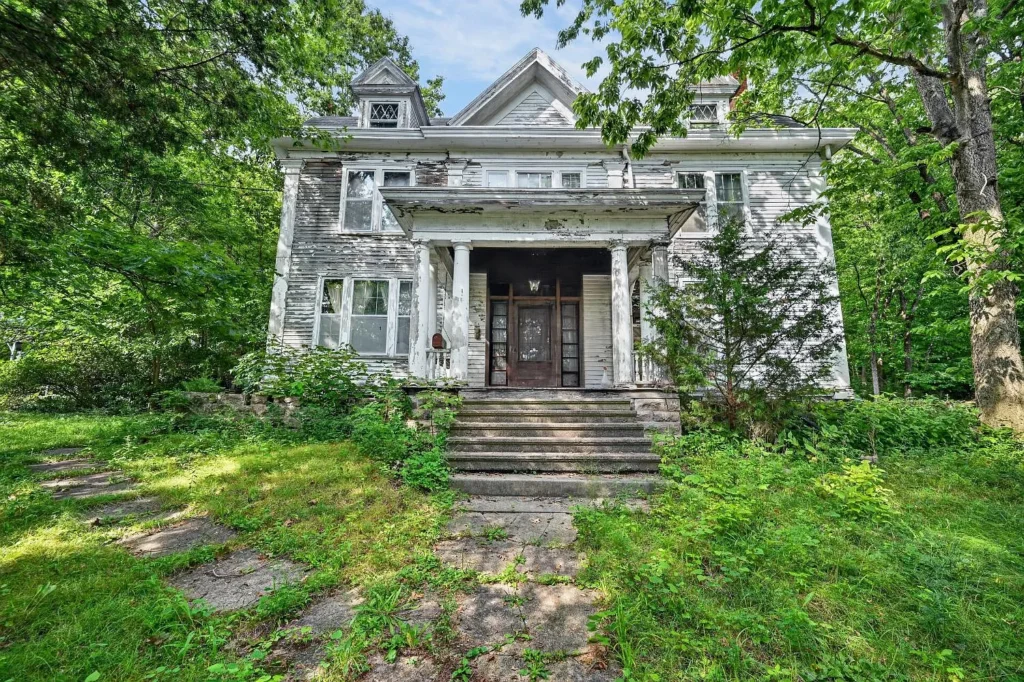
A Stately 1907 Colonial Revival Awaiting Restoration in Aurora, Indiana
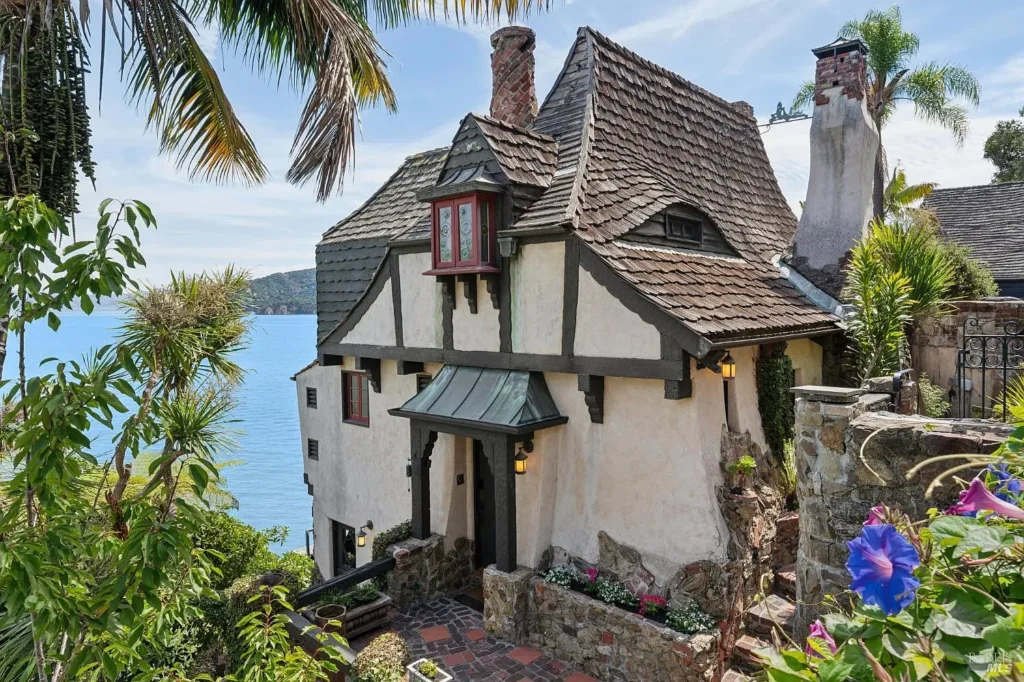
The 1942 Heidelberg Storybook House in Belvedere, CA
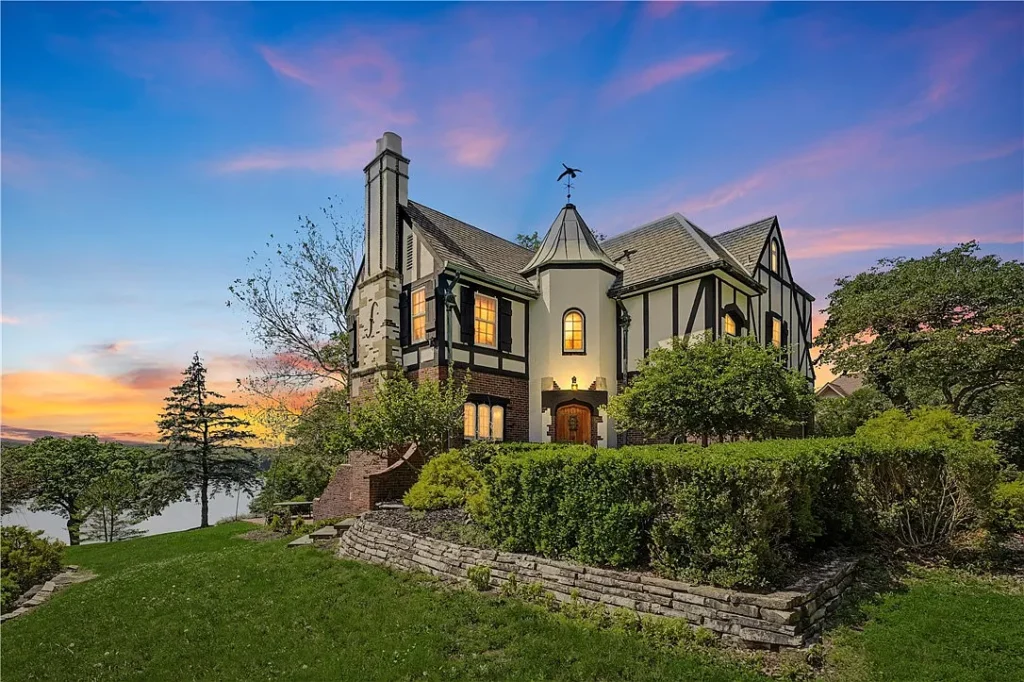
Tudor Elegance Above Lake Vermilion
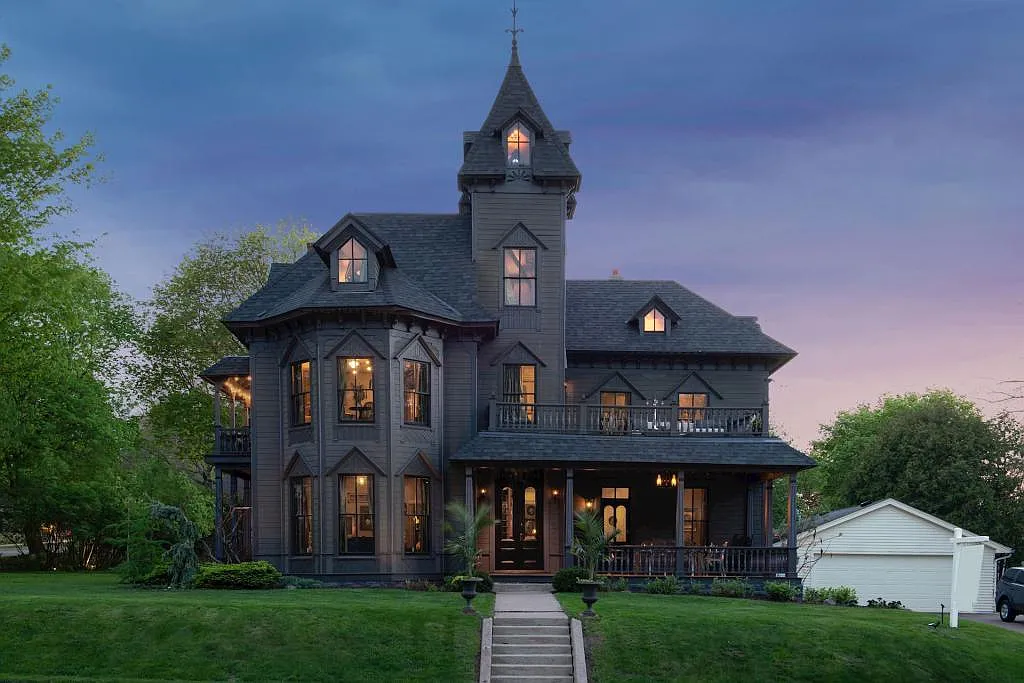
The Castle House: Stillwater’s Towering Victorian Landmark
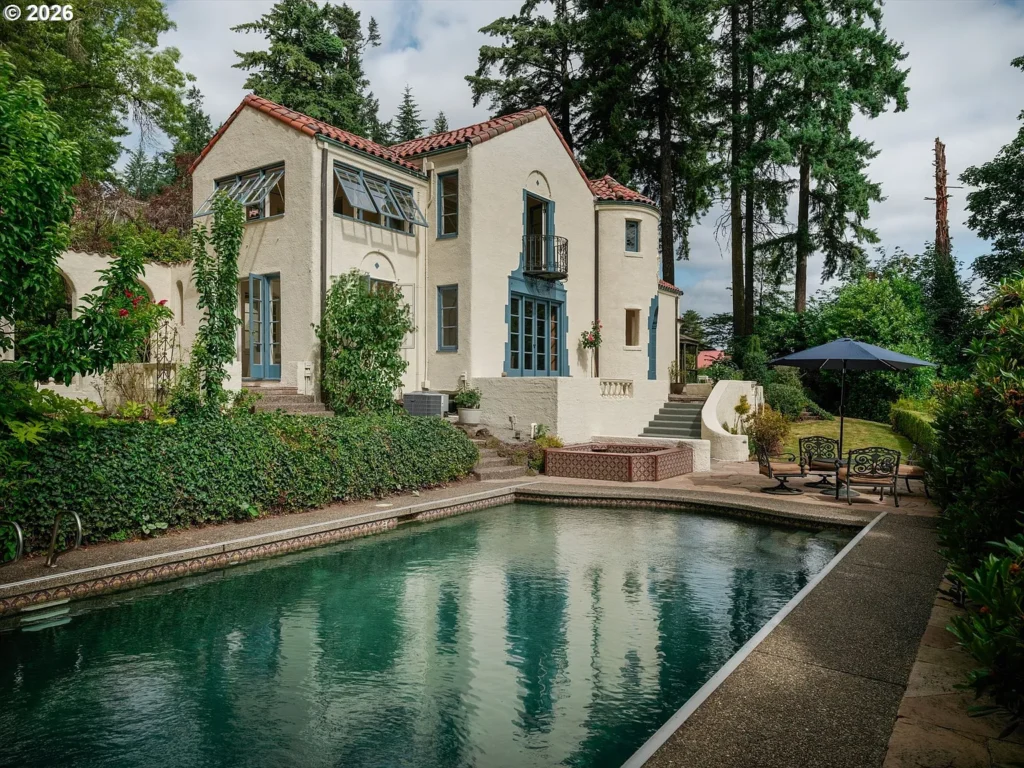
Historic 1925 Mediterranean Estate in Dunthorpe
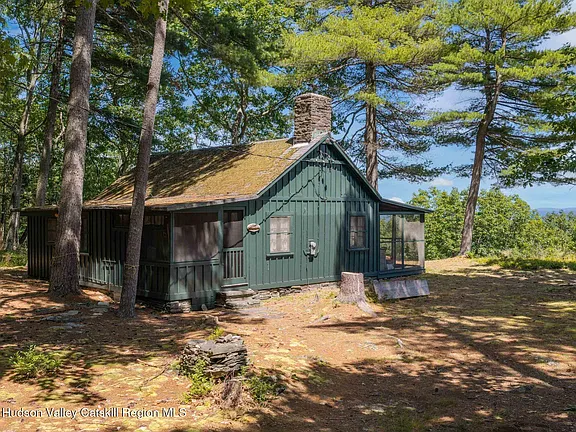
Historic 1914 Catskills Cabin on 1.6 Private Acres in Palenville, New York
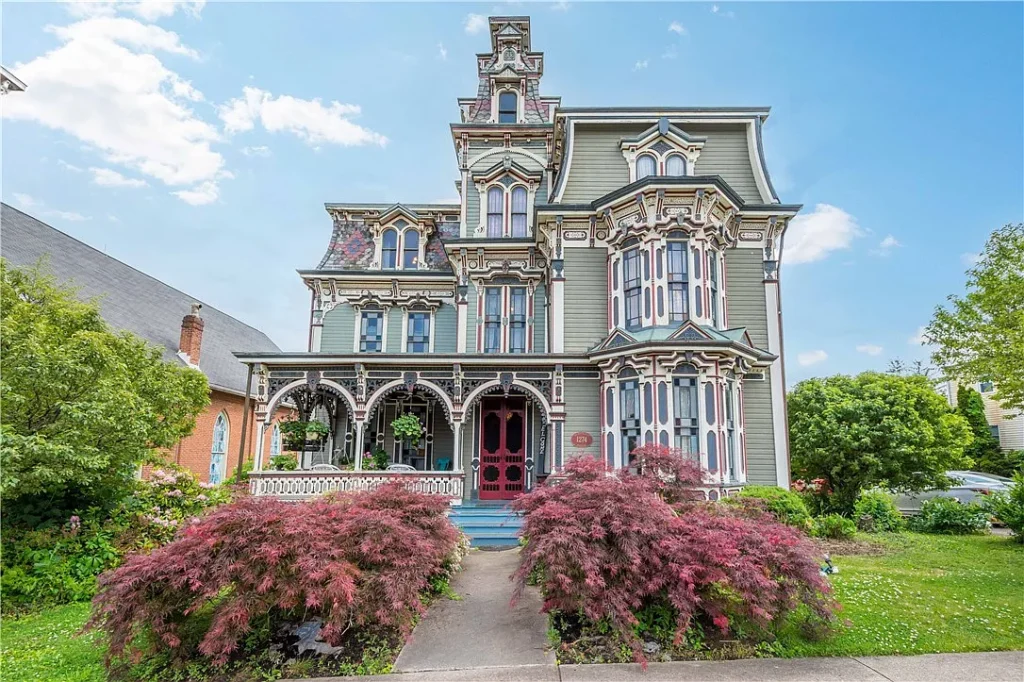
The 1880 Montgomery House in Claysville, Pennsylvania
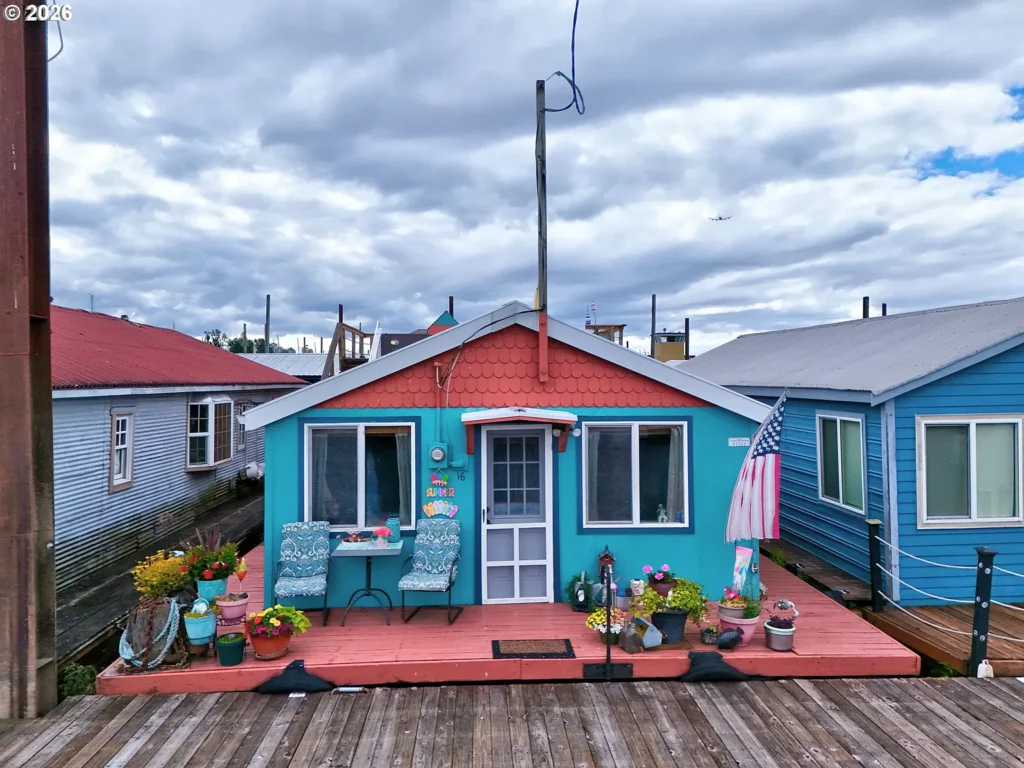
1940 Columbia River Floating Home for Sale
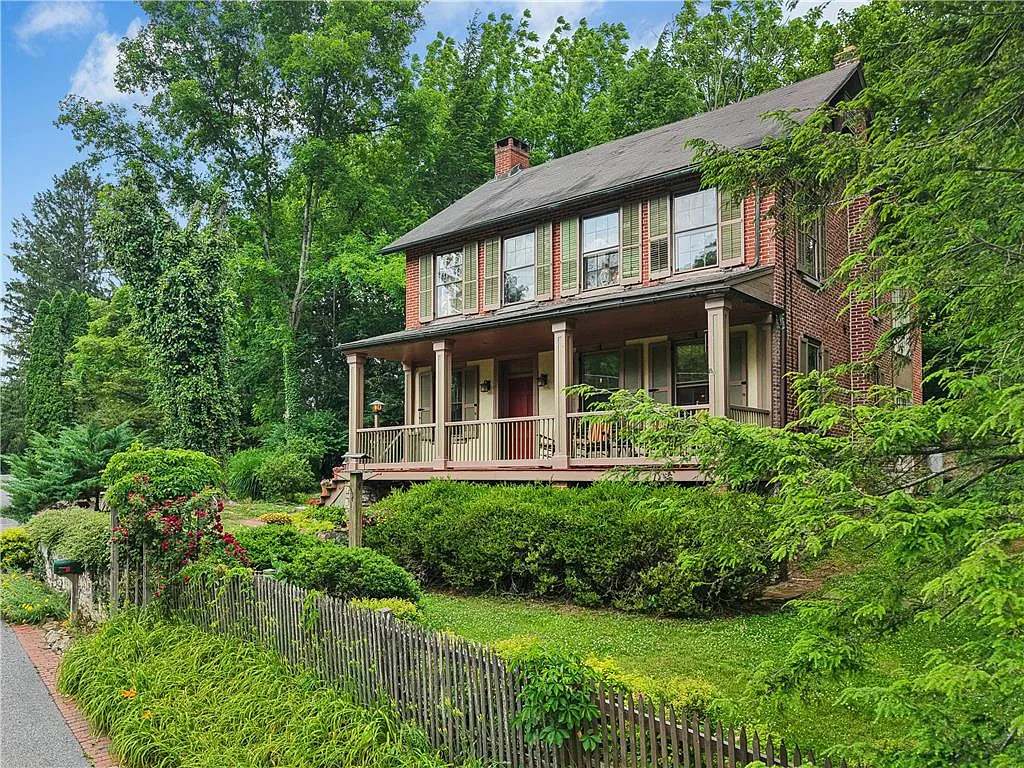
A Creekside Mill House with 18th-Century Roots in Bethlehem, Pennsylvania
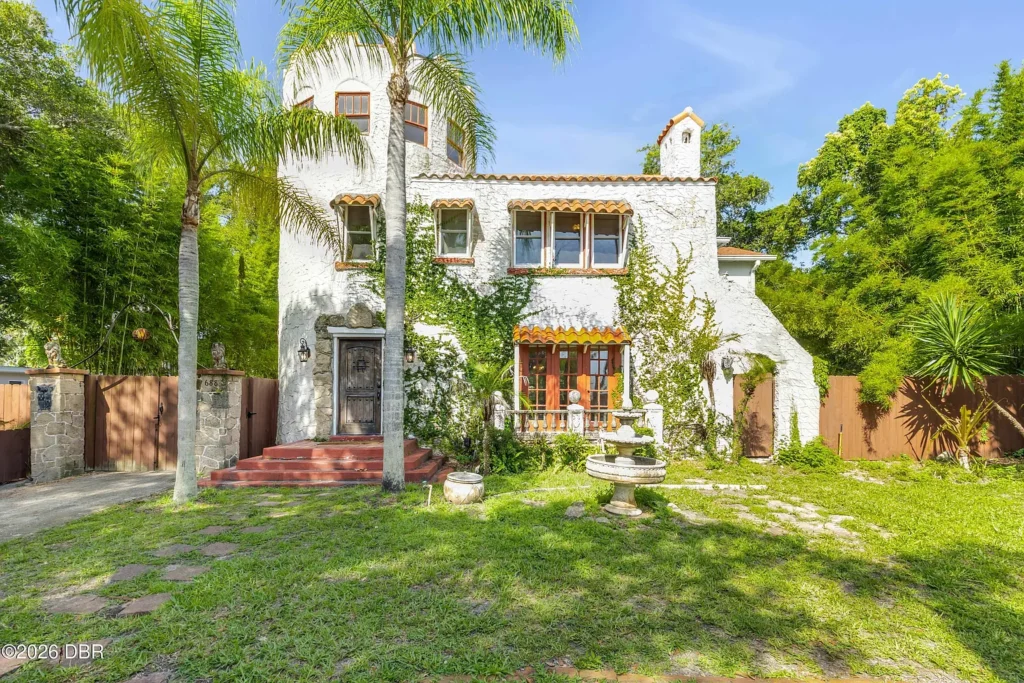
Casa Alcazar: A 1924 Mediterranean Revival Castle in Ormond Beach, Florida